Can you build an ADU on your property?
Since February 2025, 350 Massachusetts cities and towns must allow one accessory dwelling unit by right. Answer a few questions and we'll tell you what the state guarantees you — including the square footage you're actually allowed, which is usually not the 900 you've read about.
A plain-English reading of M.G.L. c. 40A and 760 CMR 71.00 — not legal advice.
cities and towns must allow one ADU by right (everyone but Boston)
when the state law took effect, everywhere, all at once
special permits or discretionary hearings — that's what "by right" means
to read the law against your house — free, no email
Where could yours go?
An ADU doesn't have to mean new construction. Most start with space you already own.
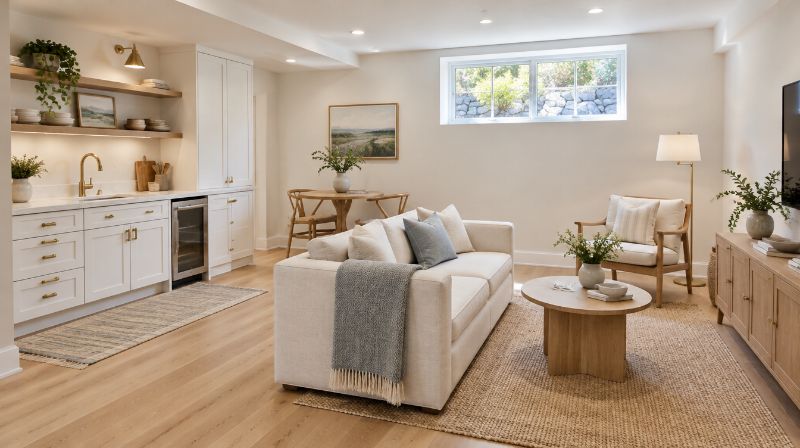
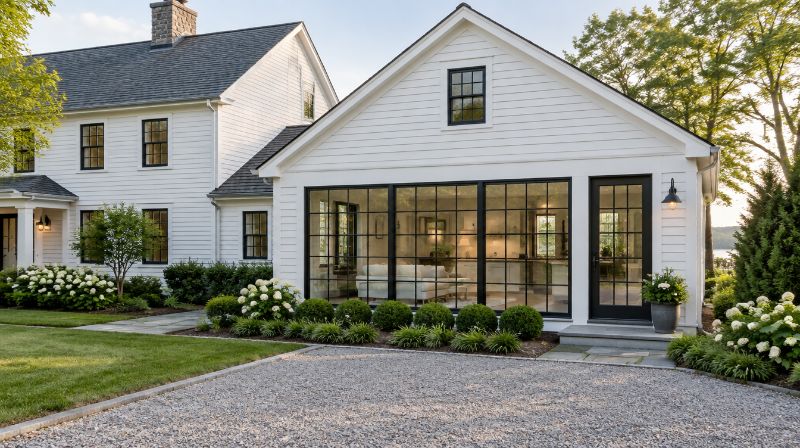
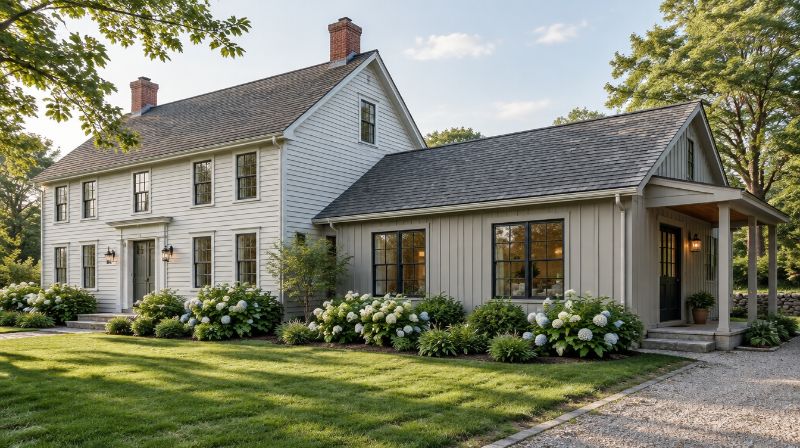
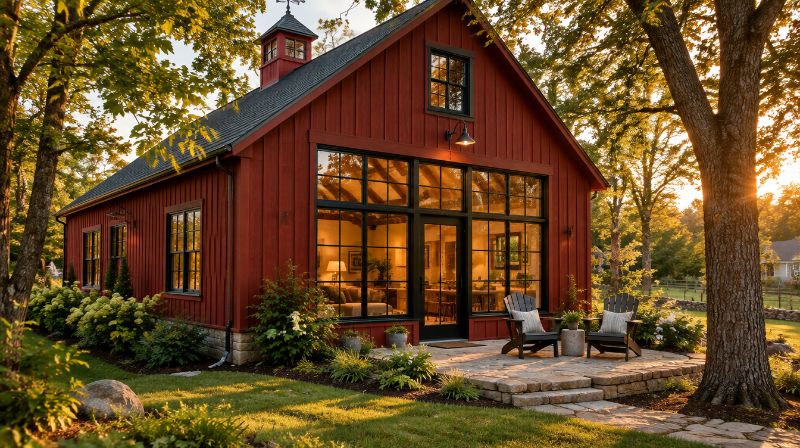
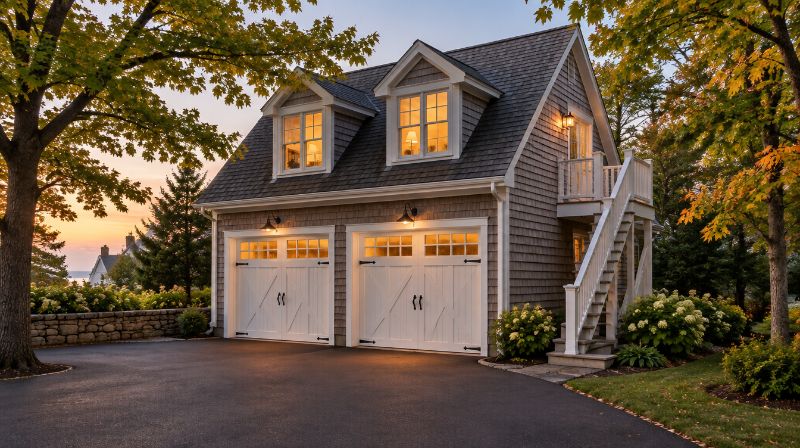
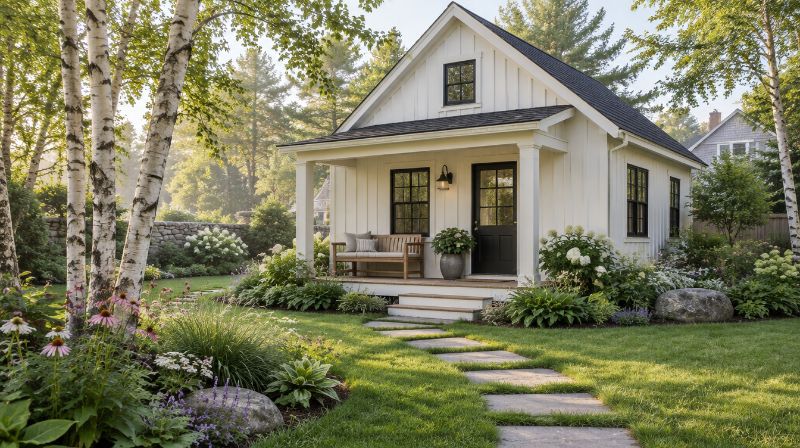
A second paycheck, right on your own property
An ADU doesn't have to be for your mother-in-law. Rent it out, long-term, to anyone — that's exactly what the law allows.
Rent it — to anyone
No family-member requirement anywhere in the state law. A long-term tenant at market rent is a fully legal use of your ADU.
No strings on you, either
The state bars owner-occupancy requirements for by-right ADUs. You don't have to live in either unit for the arrangement to work.
Income that outlasts the build
Monthly rent against your mortgage, added property value, and a space that can flex later — in-law suite, office, or rental again.
Read the law against your house
A few quick questions. Your answers never leave your browser — the result is worked out right here on the page.
What this is: a plain-English reading of Massachusetts state law — M.G.L. c. 40A §§ 1A and 3, in force 2 February 2025, and the regulation 760 CMR 71.00, effective 31 January 2025 — applied to what you told us. It is the same for every lot in your town, because the state floor is the same everywhere. What it is not: legal advice, a zoning determination, or a reading of your town's own bylaw. Your town may be more generous than the state floor; on the things the state fixed, it cannot be stricter. Nothing here is specific to your address.
Your privacy. This screener runs entirely inside your own browser — nothing you type above is sent anywhere unless you choose to contact us. This site sets no cookies and no tracking of any kind, and Bircch never sells or shares what you tell us. Read the full policy.
No cookies. No trackers. Free, and no email required.
"By right" — what it does and doesn't mean
The state law did a lot. It did not erase your town's role — and a building permit is still a building permit.
What the state fixed
One ADU allowed by right in any district that allows single-family homes. No special permit, no discretionary hearing, no owner-occupancy requirement.
What your town still controls
Dimensional rules — setbacks, height, lot coverage. Your town can be more generous than the state floor; on what the state fixed, it can't be stricter.
What you still need
A building permit, the state building code, and — on septic — Title 5. By right means no hearings, not no rules.
On septic? Read this first.
Your system was designed for a set number of bedrooms — and the house's and the ADU's are counted together. It sinks or reshapes more ADU projects than any other single item, and no online screen can resolve it.
Boston plays by its own rulebook
The state law works through Chapter 40A — which has never applied to Boston. Boston runs its own ADU program. Brookline, Newton, Quincy and the rest of the border towns check out normally.
Get the full answer for your address
The free check reads the state floor. A feasibility report reads your town's own bylaw and your lot — and tells you what's actually buildable.
- Your town's bylaw, read against the state floor
- The size math for your house — the number you can actually use
- Septic & Title 5 reality check
- Setbacks, height, and lot coverage on your lot
- What to file, in what order
- A photo-real aerial rendering of the ADU on your lot — for new structures and additions
- If your plan doesn't fit by right: the relief path, spelled out
No payment now. Reply by email within 2 business days.
Ask about a report
- Your request comes straight to Julieann.
- Within 2 business days, you get an email back with the price for your property and a sample report.
- Want to go ahead? That email has a link to order. No payment until then.
Quick answers
The questions every homeowner asks in the first five minutes.
No special permit and no discretionary hearing — the town can't say no to the use. Dimensional rules and a building permit still apply.
900 is the ceiling. Your number is half your home's floor area or 900 — whichever is smaller — and your town is allowed to be more generous.
No. The state law bars owner-occupancy requirements for by-right ADUs.
Long-term rental is exactly what the law was written for. Short-term rentals are different — your town may restrict those.
What this is: a plain-English reading of M.G.L. c. 40A §§ 1A and 3 and 760 CMR 71.00, applied to what you told us. What it is not: legal advice, a zoning determination, or a reading of your town's own bylaw.
More from Bircch
Buildability answers for whatever you're planning — and a close eye on the laws about to change the rules.